The Money Wisdom ProjectA history of money, freely taught
Curriculum and resources · In development

A free curriculum that traces money through human history.

We are writing twenty-eight topics, and adding more as quickly as we can write them well. Each topic is a short journey through how people, in different times and places, solved the same problem: what to use as money, and why it kept changing.

Ages
5 to 17+
Method
Classical
First packets
This school year
Coming this school year.

Topics are released one at a time as they are finished. Join our newsletter email list to hear when new topics are ready.

Join the newsletter
Our teaching method

Built on the classical model. Rooted in the trivium.


The Money Wisdom Project follows the classical education tradition, the same long-running approach that shaped Roman schoolrooms and Renaissance universities. At its heart is the trivium: three stages of learning that move with a child's mind as it develops.

The trivium tells us when to teach what. Young children learn through story and image. Older children begin to ask why. Teenagers learn to argue, persuade, and judge. We have written the curriculum so the same topics can be returned to at each stage, with deeper questions each time.

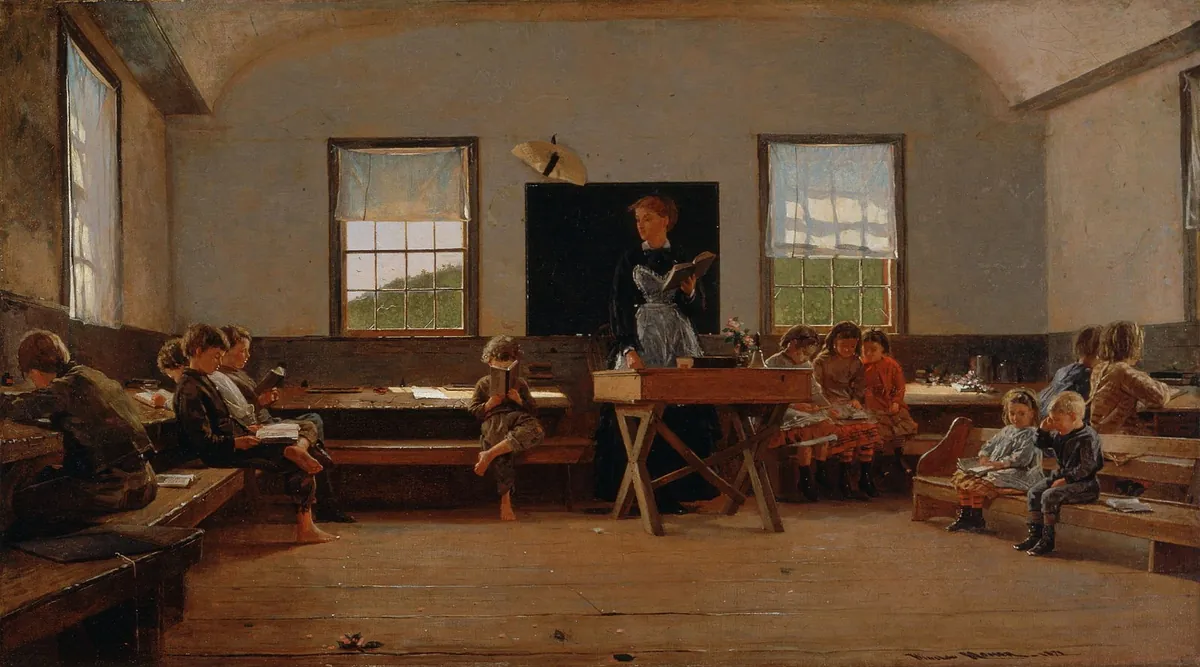
A historic country schoolhouse
"The same topic at five, at twelve, and at sixteen is not the same lesson. It is three lessons, each suited to the mind that meets it."
Stage one

Grammar

Ages 5 to 10

"What happened?"

Children at this stage absorb facts, stories, and images. We give them the cast of characters: the Yap stones, the cowrie shells, the silver denarius. The aim is to plant strong, vivid memories the child can return to.

Stage two

Logic

Ages 11 to 14

"Why did it happen?"

The child begins to ask how things connect. We move from story to system: what made cowrie shells valuable, what broke them, how a coin loses its purchasing power without anyone deciding to make it less valuable.

Stage three

Rhetoric

Ages 15 to 17+

"What does it mean?"

The student forms judgments and defends them. They read primary sources, compare competing accounts, and argue, in writing and aloud, what monetary history teaches about the choices their generation now faces.

A worked example

The Roman denarius, taught three times.

The same topic, returned to at each stage of the trivium, becomes three different lessons. This is what classical education looks like in practice.

Grammar · Ages 7 to 8

A coin in the soldier's pocket

Children meet the denarius as a story. A Roman soldier far from home, paid in shining silver coins, the emperor's face stamped on each one. They learn what the coin looked like, who used it, and how far it travelled.

Logic · Ages 11 to 12

When the silver thinned

The child returns to the denarius and asks why it changed. They trace, century by century, how emperors quietly mixed in cheaper metals. Same coin, less silver. They begin to see how trust in money can erode without anyone announcing it.

Rhetoric · Ages 15 to 16

Inflation, then and now

The student reads Roman edicts on prices, compares the empire's debasement with modern monetary policy, and argues, with evidence, what the denarius can and cannot teach us about our own time. The lesson ends in essay or debate.

Where the curriculum begins

One question runs through everything that follows.

Before we trace the long history of money, we ask the question itself. This is the foundational topic of the curriculum, the lesson every other topic returns to and builds on.

Explore the curriculum

Find a Topic

28 topics

The topic library

Twenty-eight chapters in the long story of money.

Each topic is written for the age bands where it genuinely belongs. Some begin at age 5; others, like central banking, begin later. Each one builds on what came before.

28 in development · 0 available

Barter
Prehistory · Global

Barter

Before money, people traded one thing for another. It sounds simple, but it has a quiet problem economists call the double coincidence of wants. The reason money was invented in the first place.

7 levels · Ages 5 to 17+ Coming this school year
Yap stone money
19th-20th Century · Oceania

The Yap Stone

An island where money is too heavy to lift, and yet trade still happens. What the Yap stones teach us about what money really is.

7 levels · Ages 5 to 17+ Coming this school year
Cowrie shells
Ancient · Africa, Asia

Cowrie Shells

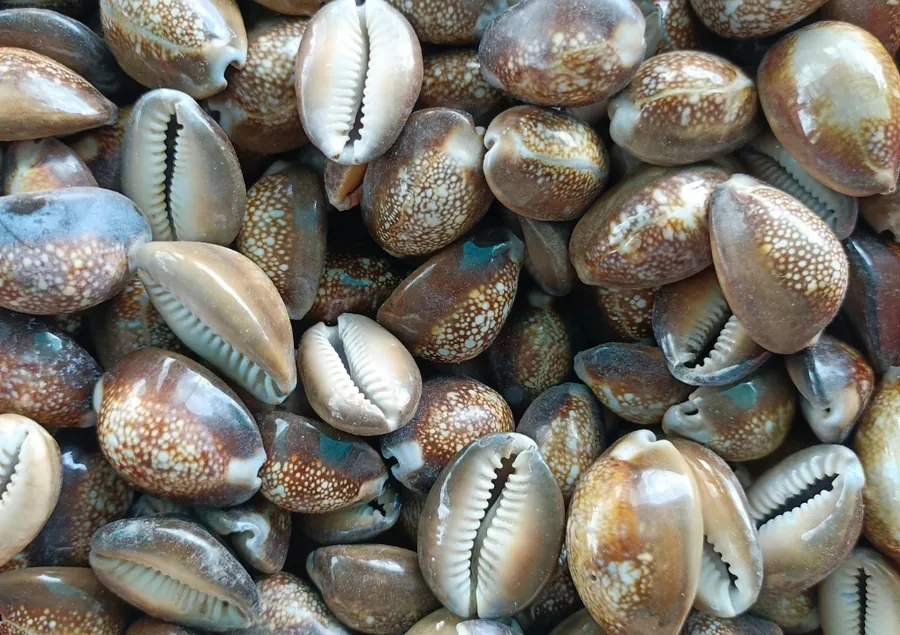
A small shell that became money across three continents, for thousands of years. Why it worked, and what eventually broke it.

7 levels · Ages 5 to 17+ Coming this school year
Salt
Ancient · Mediterranean

Salt

Roman soldiers were paid in it. Caravans crossed deserts for it. The story of how a seasoning became one of the world’s great currencies.

7 levels · Ages 5 to 17+ Coming this school year

Gold
Ancient to Modern · Global

Gold

Nearly every culture, in nearly every part of the world, eventually arrived at the same answer. Why gold has held its value for thousands of years, and what made it the standard.

7 levels · Ages 5 to 17+ Coming this school year

Spice trade
Middle Ages · Global

The Spice Trade

When pepper was worth its weight in silver, and a single cargo could fund a fleet. How spice rewrote the maps of the world.

6 levels · Ages 7 to 17+ Coming this school year
Chinese flying money
Tang & Song · China

Chinese Flying Money

The first paper money in human history, born seven centuries before Europe. Why China invented it, and what eventually went wrong.

5 levels · Ages 9 to 17+ Coming this school year
Roman denarius
Ancient · Rome

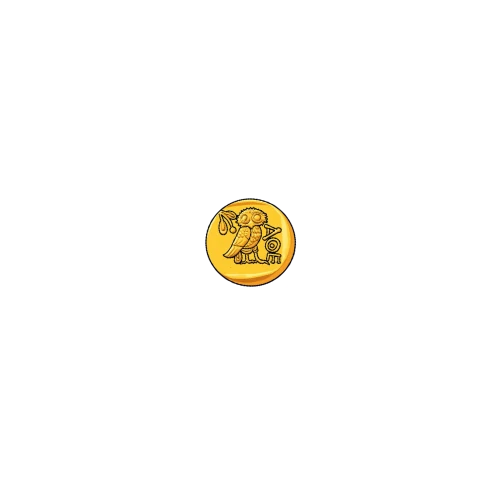
The Roman Denarius

A silver coin that held an empire together for centuries, until it didn’t. The slow, careful debasement that taught the world a lesson.

6 levels · Ages 7 to 17+ Coming this school year
Inflation
Modern · Concept

Inflation

Why the dollar in your pocket buys less than it did in your grandparents’ time. The simplest explanation we can give, with the receipts.

5 levels · Ages 9 to 17+ Coming this school year
Central banking
Modern · Global

Central Banking

Where central banks came from, what they do, and how their work touches every household, classroom, and small business in the world.

4 levels · Ages 11 to 17+ Coming this school year
Bretton Woods
1944 · Global

Bretton Woods

Forty-four nations gathered in a New Hampshire hotel and rewrote the rules of global money. What they decided, and what came after.

3 levels · Ages 13 to 17+ Coming this school year
Federal Reserve
1913 · United States

The Federal Reserve

A private island, a secret meeting, and the bank that came out of it. The plain-language history of how the United States dollar came to be managed.

4 levels · Ages 11 to 17+ Coming this school year
Bitcoin
21st Century · Global

Bitcoin

Money with no coin, no bill, and no country. Invented in 2009 by a person nobody has ever met, it runs on thousands of computers that all keep the same ledger. The newest chapter in a story that began with shells and stones.

7 levels · Ages 5 to 17+ Coming this school year
Digital payment
21st Century · Global

Digital Currencies

Most money today lives in computers, not in wallets. Bank balances, payment apps, central bank digital currencies, and thousands of cryptocurrencies all promise to be the future of money. What separates them, and how would we judge?

4 levels · Ages 11 to 17+ Coming this school year
Rice bales in old Japan
Feudal Era · Japan

Rice

In old Japan, a samurai’s salary was measured in rice. The koku, enough rice to feed one person for a year, priced land, paid armies, and ranked lords for centuries. What happens when money is something you can eat?

7 levels · Ages 5 to 17+ Coming this school year
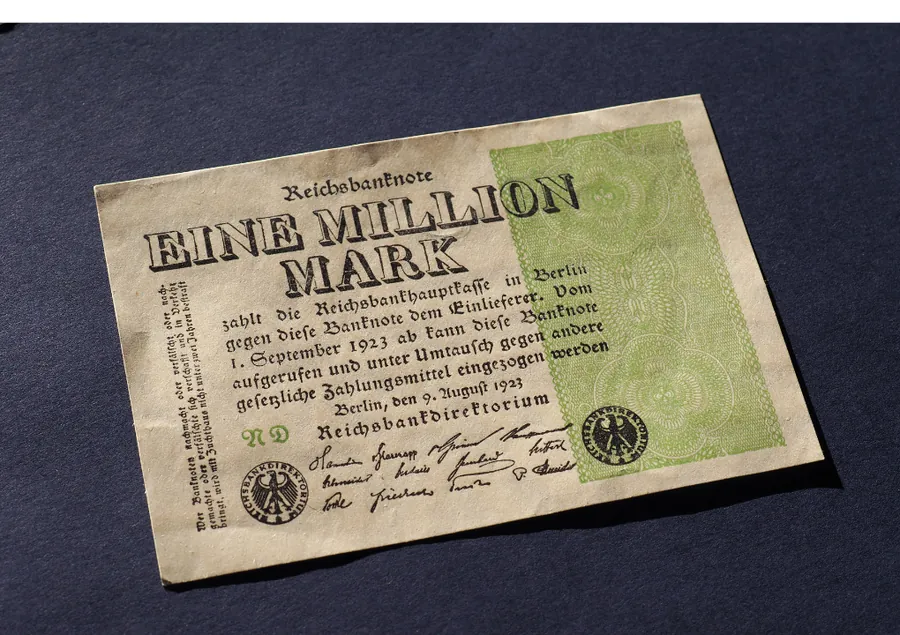
German banknotes during the 1923 hyperinflation
1920s · Germany

Weimar: When Money Died

In 1923 a loaf of bread cost 200 billion marks, and workers were paid twice a day so they could spend before prices rose again. The most studied hyperinflation in history, told through the people who lived it.

3 levels · Ages 13 to 17+ Coming this school year
Lydian electrum coin
7th Century BC · Anatolia

Lydia and the First Coins

The first true coins were struck here, stamped with a lion and a promise. How a small kingdom in Anatolia changed money forever.

7 levels · Ages 5 to 17+ Coming this school year
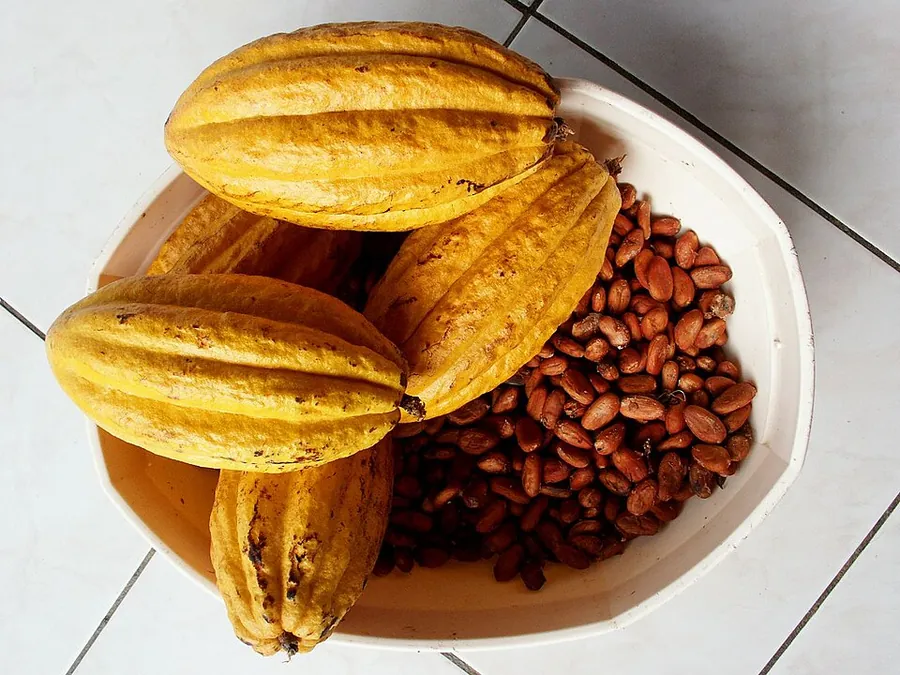
Cacao pods
Ancient · Mesoamerica

Mayan Cacao

Money that grew on trees and could be drunk as chocolate. The bean that priced a turkey, paid imperial tribute, and even attracted counterfeiters.

7 levels · Ages 5 to 17+ Coming this school year
Early American bank note
Ancient to Modern · Global

A History of Banking

From clay-tablet loans in Babylon to goldsmiths’ receipts in London. How keeping money safe quietly became a way of creating it.

4 levels · Ages 11 to 17+ Coming this school year

Kula ring exchange
Traditional · Melanesia

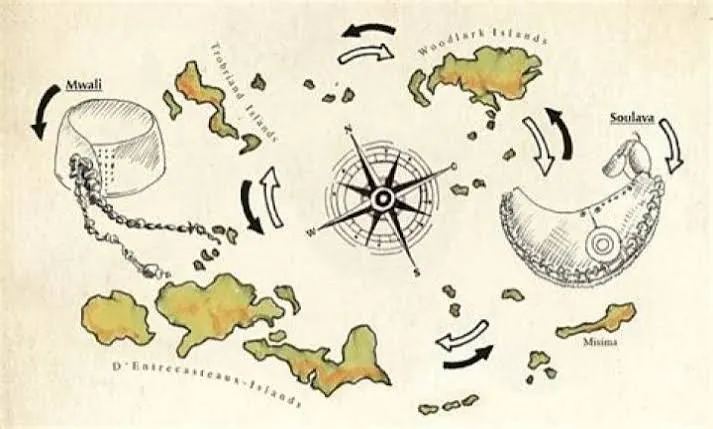
The Kula Ring

Necklaces sail clockwise, armbands sail counterclockwise, around a great ring of islands. A famous exchange system that asks whether treasure is the same thing as money.

7 levels · Ages 5 to 17+ Coming this school year
Silk Road caravan routes
Ancient to Middle Ages · Eurasia

The Silk Road

Coins from a dozen kingdoms changed hands along four thousand miles of caravan trail, and bolts of silk themselves served as money. The road that connected the world’s currencies.

7 levels · Ages 5 to 17+ Coming this school year
Leaders of the Continental Congress
18th Century · United States

The Founding Fathers and Money

The Continental collapsed, the Constitution answered, and Hamilton and Jefferson argued over a bank. How the dollar was born.

4 levels · Ages 11 to 17+ Coming this school year

Renaissance money changers
Renaissance · Florence

The Medici and Renaissance Banking

A Florentine family bank that financed popes, princes, and the Renaissance itself. Ledgers, bills of exchange, and the beginnings of modern finance.

4 levels · Ages 11 to 17+ Coming this school year
Sumerian cuneiform tablet
Bronze Age · Near East

Mesopotamia and the Shekel

Barley, silver, and marks pressed into clay. In the world’s first cities, writing itself was invented to keep track of value.

7 levels · Ages 5 to 17+ Coming this school year

Wampum wrist ornament
17th Century · North America

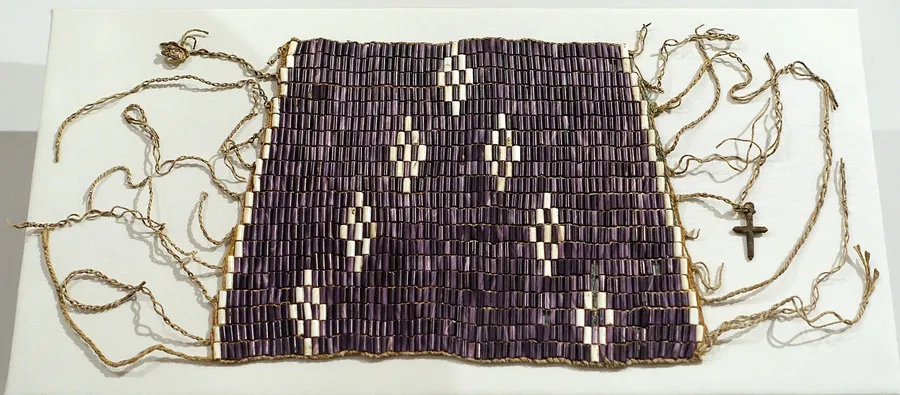
Wampum

Beads of purple and white shell, woven into belts that carried treaties and paid debts. The money of early America, and what happened when it was mass-produced.

7 levels · Ages 5 to 17+ Coming this school year
POW camp currency banknote
1940s · Europe

POW Camp Money

Inside a wartime prison camp, cigarettes became money on their own, with prices, exchange rates, and even a paper currency. A real economy grown from nothing, recorded by an economist who lived it.

3 levels · Ages 13 to 17+ Coming this school year
Medieval tally sticks
Middle Ages · England

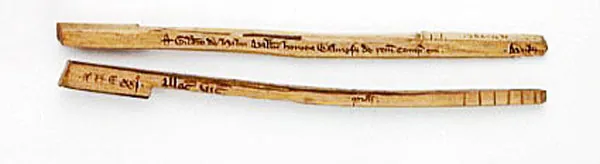
Tally Sticks

England ran its treasury on notched sticks for seven centuries. When the old tallies were finally burned, they took Parliament with them.

5 levels · Ages 9 to 17+ Coming this school year
California gold rush miners
19th Century · North America

The Gold Rushes

Gold in a California river set off the greatest treasure hunt in history. Boomtowns, gold dust by the pinch, and what a sudden flood of money does to prices.

7 levels · Ages 5 to 17+ Coming this school year
Support the project

Two ways to help us keep this work going.

The Money Wisdom Project is a nonprofit. Every curriculum packet, every translation, and every teacher's guide is free because donors make it free. Give in dollars or in bitcoin. Either way, the work continues.

Dollars · Tax-deductible

Give by card or bank

Donations are processed through Givebutter, our nonprofit giving platform. One-time or recurring, any amount. You will receive an emailed receipt for your records.

Give on Givebutter →

Givebutter handles our secure payment processing and issues tax receipts on our behalf.

Bitcoin · Lightning

Give in bitcoin or sats

Send any amount of bitcoin through the Lightning Network. The button opens our Strike donation page, where you can pay from any Lightning wallet, on-chain, or with the Strike app.

Donate with Strike →

Or send directly from your wallet to our Lightning address: moneywisdomproj@strike.me

The Money Wisdom Project is a 501(c)(3) nonprofit. Bitcoin donations are not currently issued tax receipts; for a tax-deductible gift, please use Givebutter.

Newsletter email list

Join our newsletter

Get an email from the Money Wisdom Project when new curriculum topics are ready.

Standards and frameworks

Aligned to the frameworks that matter.

Every packet will map to international and national standards, so educators can adopt the materials without rewriting their year. The full alignment for each topic will live inside that topic's teacher's guide.

International

ISCED

The International Standard Classification of Education, the UNESCO framework used to compare education across countries. Our age bands map directly to ISCED levels 0 through 3.

International

OECD Financial Literacy

The OECD/INFE Core Competencies Framework on Financial Literacy for Youth, with each lesson tagged to the relevant competencies.

Global

UN Sustainable Development Goals

Goal 4 (Quality Education) and Goal 8 (Decent Work and Economic Growth), where monetary literacy directly applies.

National

National frameworks

U.S. Common Core and C3, England's National Curriculum, and additional country mappings as packets are published.

CC BY
Creative Commons
Attribution 4.0 International
Open by design

Free to use. Free to adapt. Always credited.

Every Money Wisdom Project lesson will be released under a Creative Commons Attribution license. You will be able to print it, translate it, remix it, and use it in your classroom or community, at no cost, forever.

How to attribute: "Adapted from The Money Wisdom Project, moneywisdomproject.org, CC BY 4.0."

Have an idea

If you have an idea for a topic, an angle, or a partnership, we would like to hear it.

Tell us what you would teach →